
Representatives of the transportation sector were presented with details on how the Via Toll system will operate
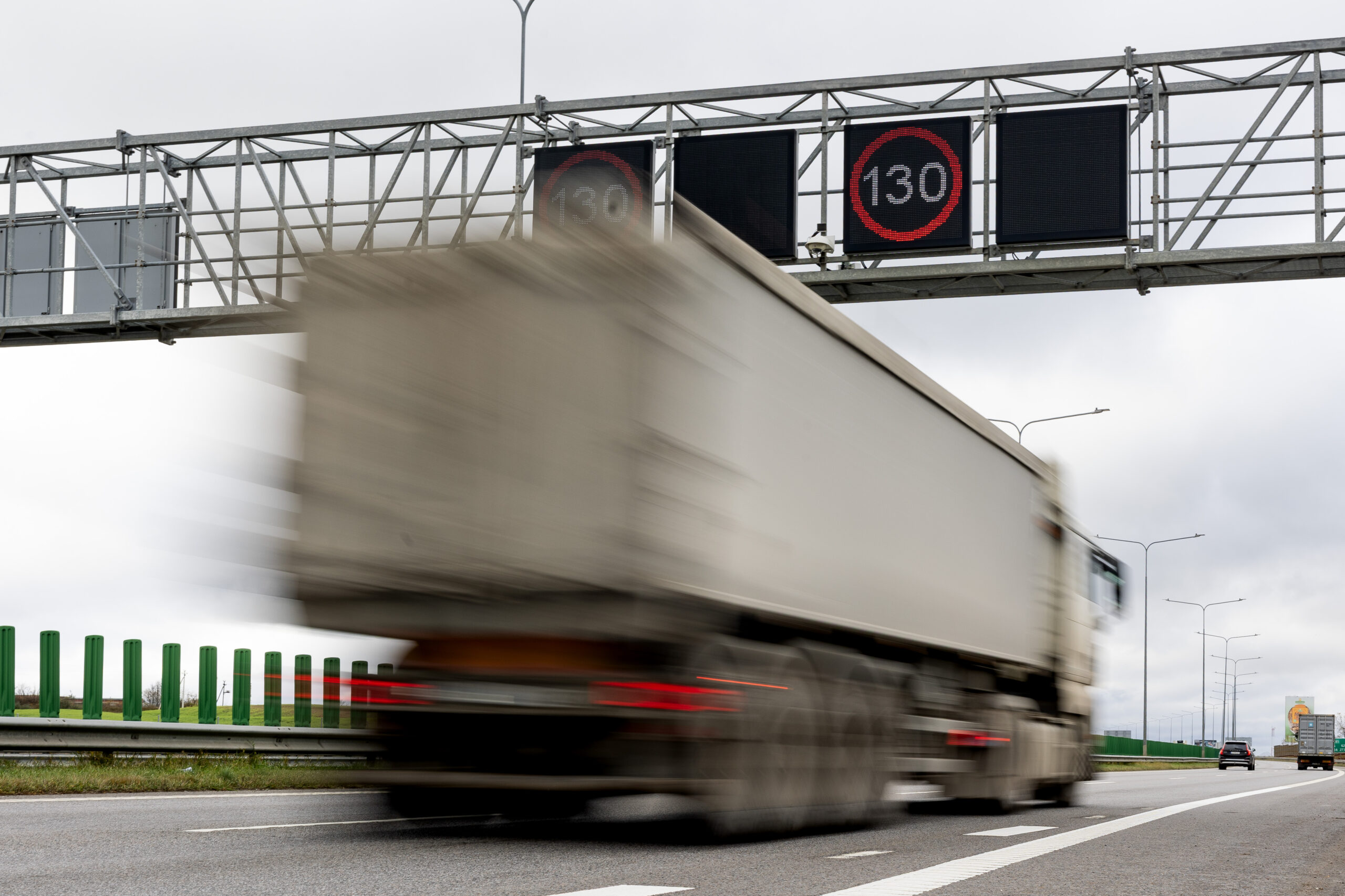
The road infrastructure company Via Lietuva presented the Via Toll system to transport representatives. The system will go into operation on January 1, 2027, and will replace the vignettes used until then. This was the first of a series of planned events for carriers aimed at introducing the system, which will calculate tolls based on the actual distance traveled on toll roads. Carriers will be able to use a mobile app, OBU devices, or other integrated solutions for this purpose.
“The Via Toll system will help ensure fairer and more proportionate tolls for road use and will facilitate more sustainable financing of road infrastructure. The system is being designed so that carriers can choose the method that best suits their needs and will not be required to install additional equipment. Smaller carriers who do not have specialized OBU devices in their vehicles will be able to track their routes and pay tolls using the Via Toll app,” says Martynas Gedaminskas, CEO of Via Lietuva.
At that time, carriers using OBU devices or having contracts with European Electronic Toll Service (EETS) operators will be able to use integrated solutions. The compatibility of these solutions and services in Lithuania will be ensured by the partners providing them. It will also be possible to purchase a one-time route ticket through the Via Toll self-service portal. This may be useful for one-time transit or if you do not have a smartphone.
All key features in one place
To ensure the most convenient user experience possible, the Via Toll self-service portal and mobile app – both based on the same operating principles – will be offered. Freight and passenger transport operators will be able to register in the system via the app or self-service portal, add and edit vehicles, specify their preferred payment method, check the amount of tolls accrued, and receive payment statements and system notifications.
The Via Toll system will be linked to Regitra’s databases, so when the license plate number of a vehicle registered in Lithuania is entered, its technical information will be displayed automatically, and the appropriate toll rate will be selected based on that information. Using this data and tracking the distance traveled by the vehicle, the system will automatically calculate the toll amount for each trip.
The toll calculated by the Via Toll system can be paid via online banking, credit or debit card, fuel cards, or by using the services of European electronic toll service providers and their automated solutions. Cash payments will not be accepted.
Enforcement will be ensured by an extensive network of cameras installed along toll road sections. It is planned that by the beginning of 2027, approximately 600 monitoring points – including dedicated cameras and instantaneous or sector-based speed cameras – will be used for this purpose. These devices will verify in real time whether vehicles are traveling with the Via Toll app activated, an OBU device installed, or a purchased travel ticket.
It is planned that by the end of 2026, 1–2 months before the launch of Via Toll, carriers will be able to test the system and prepare in advance for its use.
The toll remains; the calculation method changes
As previously announced, once the Via Toll system goes live, there will be a fundamental change in how operators of freight and passenger vehicles in the M2, M3, N1, N2, and N3 categories pay for using toll roads: The vignettes currently in use will be phased out, and the toll amount will be calculated precisely based on the distance traveled on toll roads.
Until now, commercial vehicle operators have had to purchase vignettes valid for a specific period and pay for them in advance. Starting July 1, 2026, it will only be possible to purchase vignettes valid for a day, a week, or a month. Vignettes will automatically expire on January 1, 2027. Once the Via Toll system becomes operational, carriers will be able to apply for refunds for unused annual vignettes.
Although the method for calculating road user tolls will change, the principles for determining them remain the same as those used to set the price of a vignette – the vehicle’s weight, emission class, and type of fuel used are taken into account. The aim is to assess the vehicle’s impact on the environment and road infrastructure as accurately and proportionally as possible.
It is estimated that changing the road toll calculation method through the Via Toll system will generate approximately 110 million euros annually; however, it is noted that the road toll rates to be implemented in Lithuania will be among the lowest in Europe. Operators of certain vehicles will continue to be eligible for the current exemptions. Purely electric vehicles and hydrogen-powered vehicles in categories M2, M3, N1, N2, and N3 will be subject to a 75 percent reduction in the road user fee.
Representatives of transport companies were also presented with the methodology used to calculate toll rates. It should be noted that the costs of leasing, maintaining, and administering the Via Toll system account for only about 2.5% of total expenses.
The methodology was developed in accordance with EU directives and takes into account the model used in Germany. It is anticipated that independent auditors will review the application of the methodology and present their findings. The methodology has been developed in accordance with EU directives and is currently being coordinated with the European Commission.